Baltic power systems have historically been part of a Russian-controlled synchronous area, which posed a geopolitical and energy security risk.
Since February 2025, the Baltic power systems have been synchronized with the Continental-European power system, which means that all TSOs are now in full control of their own decision-making.
“Our electric power system has become fully independent. Joining the Continental-European synchronous area and disconnecting from Russia and Belarus was a geopolitical process. Lithuania’s energy independence strategy aimed to disconnect from Russian oil, gas and electricity, and the change in synchronisation was the last step in this process,” says Litgrid’s Head of Power System Operations department Donatas Matelionis.
The synchronisation to the Continental-European power system has gone very well and the connection has been secure since February.
Lithuania has important grid connections to Sweden via the NordBalt under-sea cable and to Latvia and Poland via land connections. NordBalt facilitates power trading between the Baltic and Nordic electricity markets. The new Harmony Link between Poland and Lithuania will be completed by 2030 and Lithuania is also investing in northern connections to Latvia.
“We are also developing The Baltic Energy Hub – 2 GW hybrid offshore electricity interconnection project connecting Baltic power systems with Germany,” says Matelionis.
Local solar and wind energy production increases rapidly
Litgrid is responsible for maintaining the stable operation of Lithuania’s main power grid. A separate state-owned company called ESO runs the distribution network.
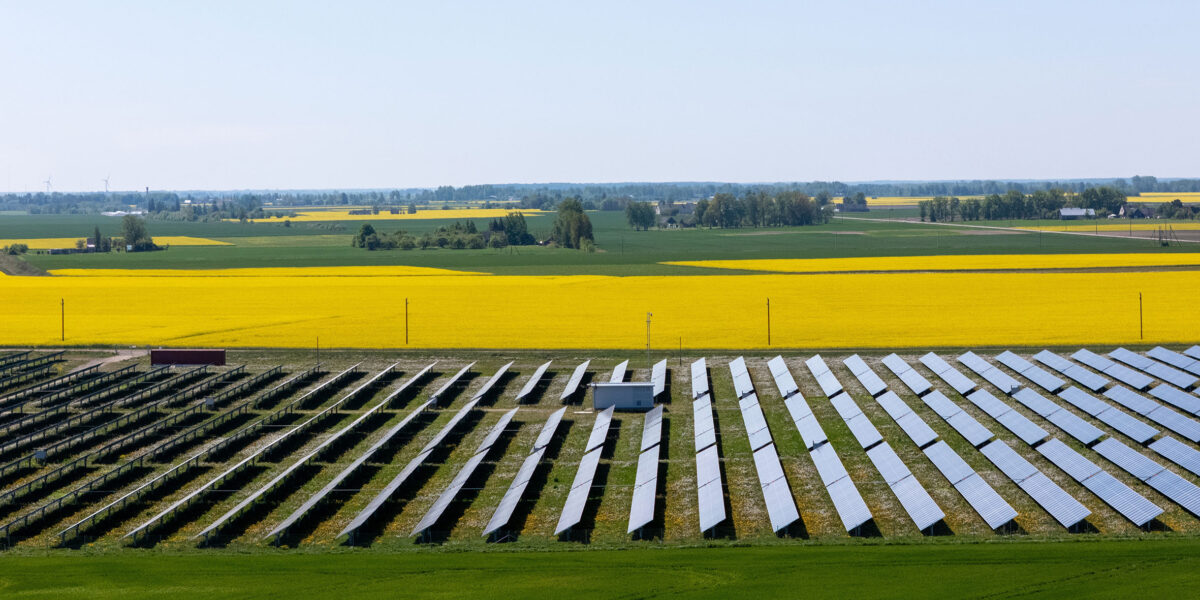
Lithuania is not yet self-sufficient in electricity production, but they have decided to become independent with renewable energy sources. Lithuania has become one of the leading countries in Europe in terms of its onshore wind capacity.
In 2023, Lithuania produced 45% of the electricity used in the country locally, but in 2024, the share of local production was 59%. For the first eight months of this year, the share of local production was already 76%.
Simultaneously, the share of renewables is growing rapidly. Of this years’ production, 67% has come from renewable energy sources, mainly from wind and solar energy.
“We are busy with new connections of renewable power plants to the grid. This year, we still need to use gas to produce electricity to maintain the required balancing services. However, already next year we expect connections of new battery storage devices to increase the flexibility of the Lithuanian power system,” Matelionis explains.