The first step in planning the route of a new transmission line is to map Natura conservation sites, national parks, and other nature conservation areas. Building transmission lines in these areas is avoided as far as possible.
”The environment and natural values in other areas also have a strong influence on the route of a transmission line. The Nature Conservation Act and the Water Act identify species and habitats that must be protected, and we must take these into account. Where possible, we avoid them or take mitigating measures where they occur,” says Marja Nuottajärvi, Senior Expert at Fingrid.
The Finnish Species Information Centre and field surveys provide information on protected species along a planned transmission line route.
Protected species can include plants, fungi, insects, birds, and mammals. Some habitats are also protected.
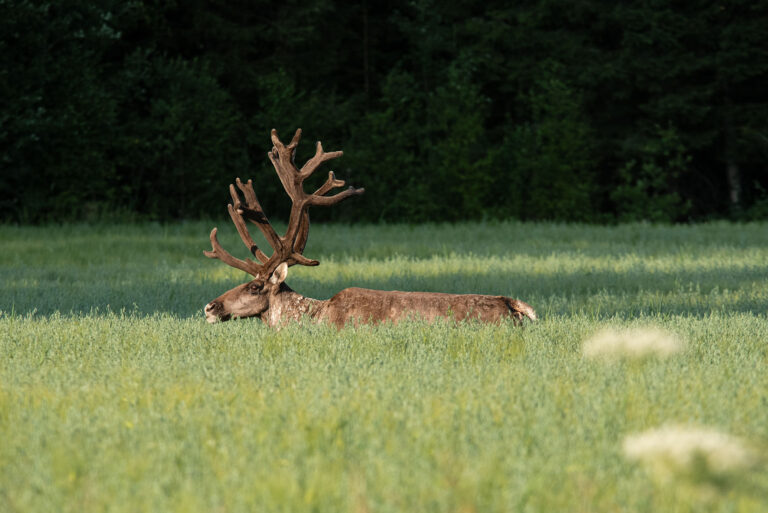
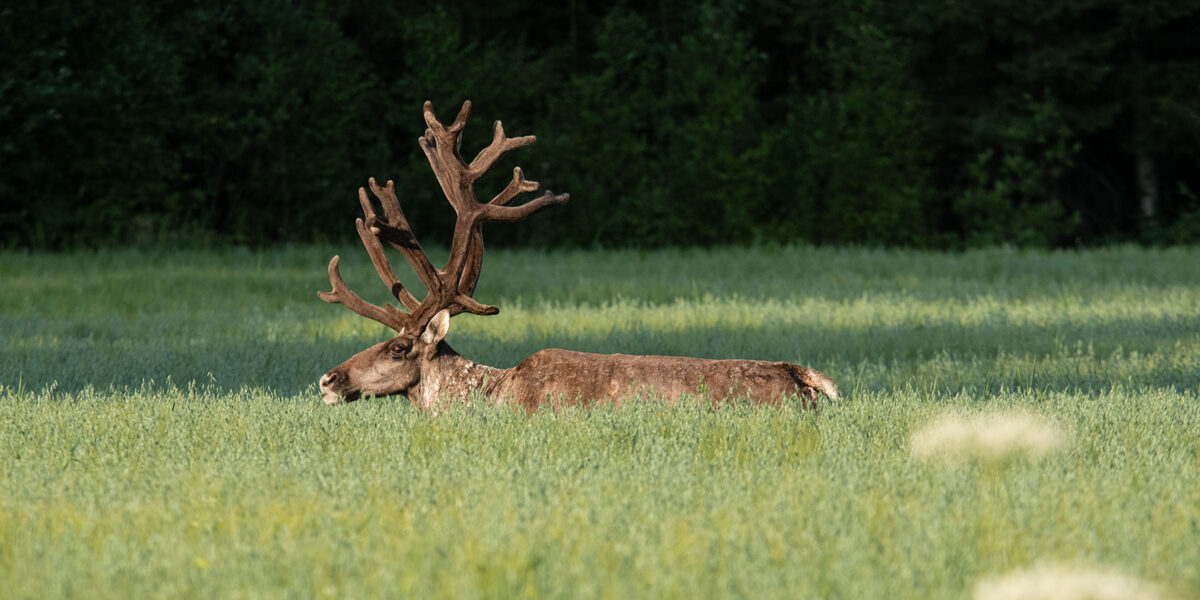
Nuottajärvi cites the Finnish forest reindeer as one example of a species that must be considered. The habitats of this species are in Kainuu and Suomenselkä and may be a conservation criterion for a Natura area.
”In these areas, the route must be well designed, and mitigation measures must be taken near sensitive breeding grounds.”
“On the other hand, some protected species thrive and even breed in transmission line rights-of-way.”
Fingrid’s operations have always taken into account small water bodies, i.e. streams, creeks and springs.
”Where natural small bodies of water cannot be avoided, construction and operation guidelines and vegetation management guidelines will be provided to reduce the harm. Watersheds will also be taken into account to avoid discharges into small bodies of water during construction.”
Protected plant habitats are avoided or mitigation measures are taken, for example by selective clearing. In some cases, plants such as lesser butterfly orchids have been relocated to new sites with permission.
”On the other hand, some protected species thrive and even breed in transmission line rights-of-way,” says Nuottajärvi.
She points out that laws and regulations change, and it is important to keep up to date with them.
”This year, the Nature Conservation Act and the Forestry Act will be amended to include new regulations on bird nesting, for example.”