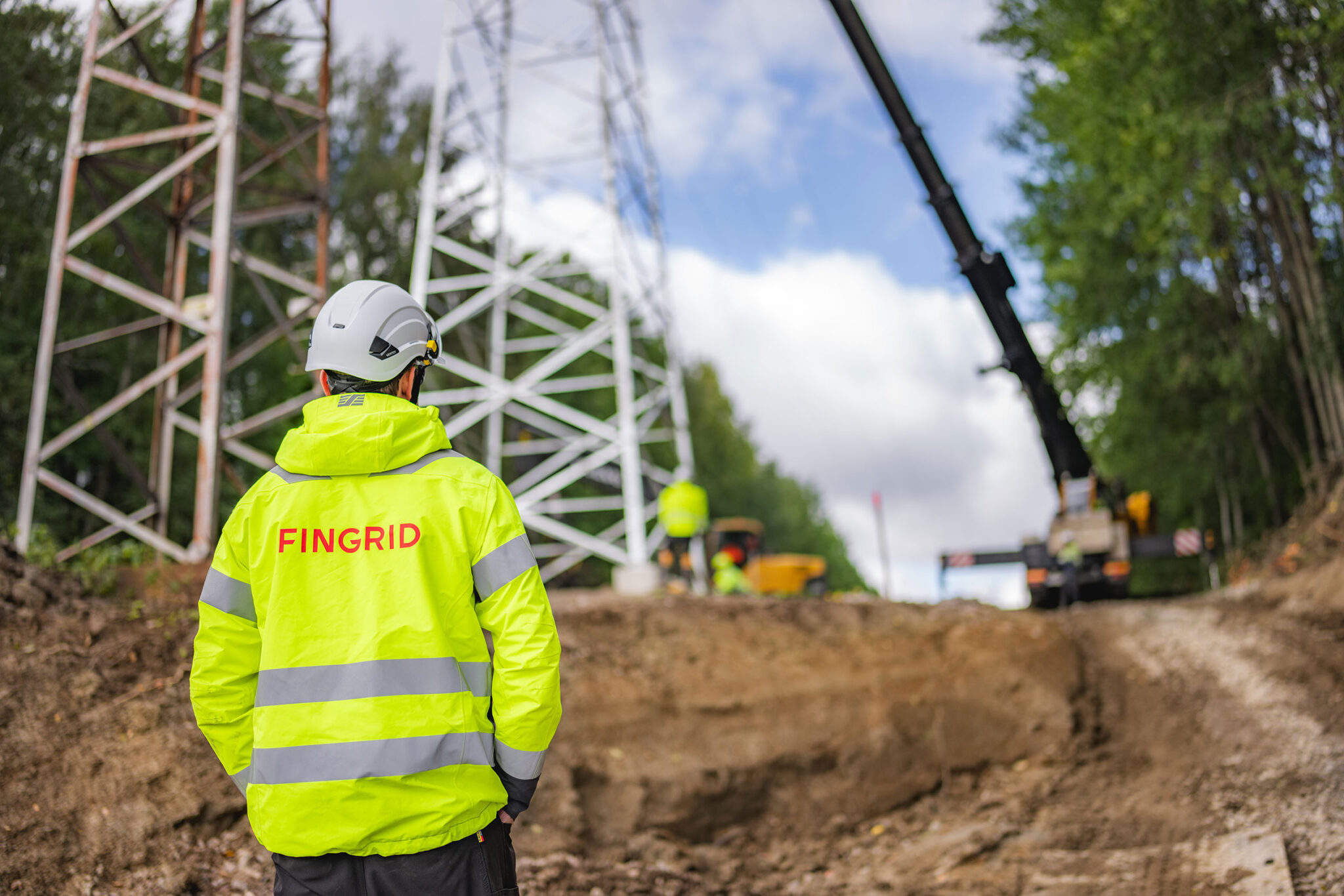
The keys to Finland’s growth lie in the green transition, clean electricity and the opportunities it brings.
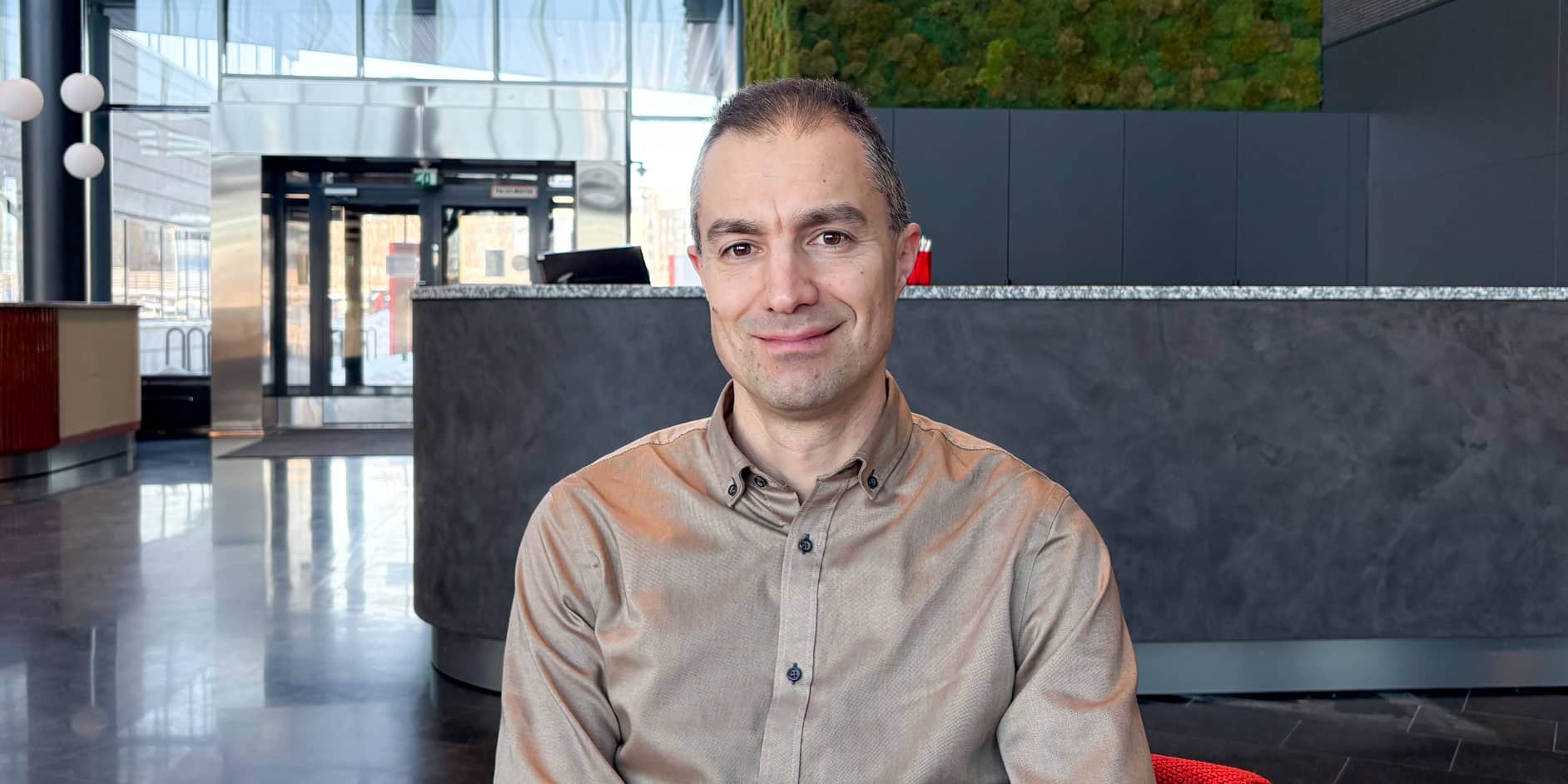
“Fingrid is the facilitator, the platform provider. New clean power production will be added to the grid, as well as large consumption sites. It is our job to make sure that it works. This is how we clean up the energy system while stimulating growth in Finland,” says Asta Sihvonen-Punkka, CEO of Fingrid, explaining the slogan.
The word “reliably” in the slogan refers to transmission reliability, which is already best-in-class: 99.99995% of the electricity produced on the grid can be delivered.
Changes in the operating environment
The strategy work, which started a year ago, involved Fingrid’s Board of Directors, all managers, and all three customer committees, ensuring the voice of customers was also heard.
“We sought to tackle the challenges of the operating environment: the need for connection and transmission services is high, there is huge demand and we are building the network to meet these needs. At the same time, economic uncertainty is affecting our customers’ investments,” says Sihvonen-Punkka.
Sometimes electricity is available well in excess of domestic needs and sometimes imports are required.
She adds that there is a major shift towards a weather-dependent electricity system, with wind power production growing strongly, which is reflected in the price of electricity and in the fact that sometimes electricity is available well in excess of domestic needs and sometimes imports are required.
Moreover, the geopolitical security situation has deteriorated considerably in a short period of time.
“As a transmission system operator, Fingrid is a highly regulated company, so the unpredictability of regulation is a challenge, and we need to think carefully about how we act and how we can positively influence regulation,” Sihvonen-Punkka says.
“The energy transition will not wait, and we must not become a bottleneck or a brake under any circumstances. A lot is required of us, and this is the basis of our three strategic priorities.”
Clean, reliable and the most competitive of its kind in Europe
The first objective is to create new solutions to meet customer needs, the second is to develop Fingrid’s own operating models to respond to the change, and the third is to be prepared and proactive in anticipating different situations and security challenges.
These strategic objectives will lead towards a vision of a clean, reliable electricity system, the most competitive of its kind in Europe.
“We have been asked whether the target is ambitious enough. It is true that Fingrid has no competitors in the Finnish transmission system business. However, the field of competition is pan-European in terms of where developers want to invest and build more power production or where large consumption sites such as data centres and new industrial investments will be located.”
96% of Finland’s electricity production is emission-free.
In addition to reliability of supply, we are also well advanced in terms of cleanliness, as 96% of Finland’s electricity production is emission-free.
“You can also connect to our network in 2–3 years. According to our data, we are among the leaders in Europe in terms of execution times.”
Tangible breakthroughs
In internal work, strategic top-level objectives are broken down into smaller sets of issues.
“For example, we should be able to connect more sites more quickly, but we also need to make sure that different types of customers have the opportunity to connect,” says Sihvonen-Punkka.
The timeframe for large industrial projects can be 7–8 years.
“When the construction of the network takes the same amount of time, from master planning to environmental impact assessment, the project may have to wait a long time, even if our capacity is already reserved for those who are first in line.”
This will also be addressed through geographic location guidance. For example, grid energy storage is directed to where there is spare connection capacity, while electric boilers need to get to where the heating demand is.
“Southern Finland will be able to connect production, but not industrial-scale consumption, until the ongoing network investments are completed.”
Further aim is to build quickly, cost-effectively and responsibly.
A further aim is to build quickly, cost-effectively and responsibly. Already at the end of last year, Fingrid decided to increase its investment programme by more than €1 billion to €5.2 billion. In addition, the electricity market needs balancing capacity, including the development of a reserve market.
“The aim is to deliver investments on time, on budget, and with minimal environmental impact.”
Fingrid’s own finances must be sustainable in order to meet customer needs.
“Productivity is also being sought through new technology – for example, better use can be made of transmission capacity through software solutions.”
The electricity system must also be able to cope with any eventuality.
“We have always been prepared for disturbances, but the security situation has added a new dimension to this, so we’re now also preparing for exceptional circumstances of longer duration.”
Six members of parliament answered the following questions:
- What role do you think Fingrid plays in enabling economic growth in Finland?
- What measures are especially important in Fingrid’s Electricity for growth. Reliably. action plan?
- What does Finland’s electrification trend look like? Is there anything to worry about?
Questionnaire was sent to all parties.
Pauli Aalto-Setälä, National Coalition Party:
- Fingrid’s role in enabling Finland’s economic growth is primarily linked to the availability of clean energy, which is a decisive factor in economic growth and industrial investment.
According to an estimate by the Confederation of Finnish Industries, investments of over EUR 300 billion in the clean transition are an exceptionally large sum that is entirely dependent on the availability of a functional electricity transmission system. Fingrid has been very successful in its task, and the government has continued to streamline and support Fingrid’s work by enabling distribution system operators to operate and develop local and regional 400 and 220 kilovolt high-voltage distribution networks.
In addition, the government’s willingness to fund Fingrid supports the timely implementation of the necessary transmission network investments. - The most important thing is that the electricity grid is reliable and that new production facilities can be connected to it. According to the programme, “Fingrid will invest an estimated EUR 5.2 billion in the transmission grid over the next ten years, which could enable up to 10 GW of new industrial electricity consumption in Finland.”
This is also the government’s goal. The question of permit applications is extremely important for the development of the transmission grid. The government has made a historic reform by combining the tasks previously carried out by several different agencies into a single one-stop shop. The aim is to speed up the permit application process and improve its quality and predictability.
Expropriation rights have also been reformed. Further action is certainly still needed in the area of permits.
- Cold, windless spells and the adequacy of electricity. It is positive that Fingrid is open to the introduction of an electricity capacity mechanism.
The current market is unable to price the capacity needed for longer cold and windless periods, for example. There must be sufficient electricity under all circumstances.
Eveliina Heinäluoma, SDP:

- Fingrid plays a significant role. A stable and functional electricity system lays the foundation for green growth and, for example, clean industry.
As Finland’s transmission system operator, Fingrid is responsible for the operational reliability and transmission capacity of Finland’s power system and promotes the functioning of the electricity market. These factors are essential for domestic and foreign companies to invest in data centres, hydrogen technology, and electricity-intensive industries in Finland, for example. - The most important measures are those that enable the electrified green/clean economy to grow in a controlled and rapid manner without compromising reliability.
It is especially important to operate the transmission grid more quickly and efficiently to support growth, enable flexible transmission grid connections, utilise flexibility more effectively, significantly accelerate permit application processes and cooperation with authorities, and ensure a sufficient electricity supply even in difficult situations. In particular, security of supply issues and operations in exceptional situations will come to the fore as our security environment has weakened. - On the positive side, we can highlight the continuity of the sustainable transition and a good outlook. Electricity production in Finland is already almost emission-free, and heat production is rapidly becoming cleaner.
The sluggish outlook for the national economy casts a shadow; we also need new industrial-scale electricity consumption in Finland in order to realise the potential of production. It is important to develop flexible solutions and storage technologies to ensure balance as the amount of variable production in the grid increases.
Eeva Kalli, Centre Party:
- Fingrid plays a key role in enabling economic growth because a functional and reliable transmission grid is a prerequisite for investments, the electrification of industry, and the clean transition.
By ensuring sufficient transmission capacity and the stability of the electricity system, Fingrid lays the foundation for Finland to be an attractive location for energy-intensive industries and new growth sectors. - Grid investments and timely implementation are particularly important where new production and consumption are growing. In addition, streamlining permit processes, proactive network planning, and close cooperation with customers and authorities are crucial to ensuring that bottlenecks do not hold back growth.
- The availability of clean electricity is, and should be, a clear competitive advantage for Finland. The main concern is whether investments in the electricity grid, skilled labour, and permit application processes will keep pace with developments, as electrification is now progressing very rapidly.
At the same time, it is essential to ensure the general acceptability of projects by developing open dialogue with local stakeholders and ensuring fair compensation for landowners.
Mauri Peltokangas, Finns Party:
- The transmission grid must be developed to ensure that we have sufficient transmission capacity to meet the ever-growing demand for electricity. For example, industry needs large volumes of electricity to operate, and this naturally also has an impact on employment.
Reliable, clean, and affordable electricity is a good competitive advantage. - “Public authorities and the energy sector will increase cooperation and joint exercises in threat mapping and preparedness.” This idea is particularly important given the ongoing war on European soil. As a neighbour of Russia, we are especially vulnerable to many forms of sabotage and hybrid operations.
- Of course, Finland is already quite far along in the electrification process.
What I find particularly worrying is that there is still a tendency to rely heavily on wind power for energy production. Nowadays, the price of electricity varies greatly depending on the wind, so we are leaving a lot to chance. Nuclear power is a much better alternative for clean electricity generation.
Jenni Pitko, Greens:

- Fingrid plays a key role. The transmission grid enables the electricity transmission capacity to increase, which in turn facilitates industrial investments. Finland must strive to become energy self-sufficient and break away from fossil fuels, and in this regard, it is important that the transmission grid is up to date.
- Efficiency of the existing network and newly built networks. When a single line is used efficiently in terms of land use, nature and money are saved. Effective cooperation between authorities and increased demand-side management are also important in the face of growing electricity consumption and production.
- We are on the right track, but there are risks. Concerns relate particularly to regulations and subsidy policies. The current government has introduced tax cuts for fossil fuels, and the planned nuclear power support mechanism may slow down wind power. The distance rules proposed for wind power also discourage investment in southern Finland. In the EU, there is concern about a larger step back in climate policy.
However, the key issue is the state of demand. During the economic downturn, new investments in clean electricity have declined due to insufficient demand. It is therefore important to stimulate demand. In my opinion, however, the grid cannot be built to serve only data centres – priority should be given to higher value-added industries.
Henrik Wikströn, Swedish People’s Party:

- Fingrid’s role is pivotal. We have several green transition projects in Finland. A functioning electricity grid is essential for promoting them. Fingrid’s role in this is crucial for creating new jobs in Finland.
- I think the most important thing is to build a functioning grid, the infrastructure, because that is what everything is based on. It is important for both the security of supply and business activity.
- The schedule and changes in global politics. I am concerned that global political interest in the green transition is waning. This could have a negative impact on many industrial projects currently underway in Finland.
It is also important to engage the country’s citizens and ensure that social importance receives sufficient attention.