Over the past three years, the number of electricity-related near-misses and accidents falling in severity category A have increased at an alarming rate at Fingrid worksites.
To change this trend, Fingrid has clarified guidelines, tailored training on electrical work safety and increased
communication about its importance, among other measures.
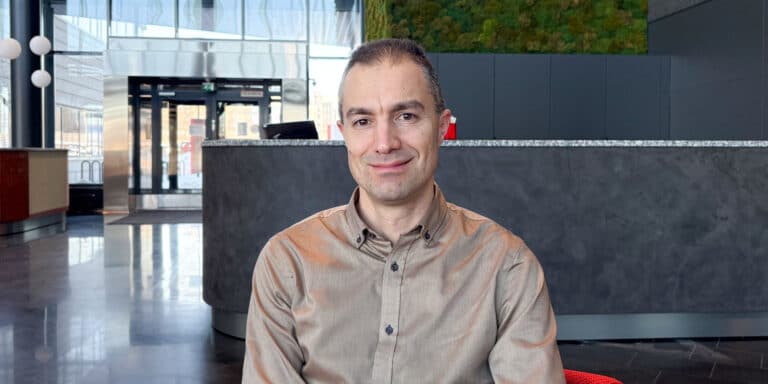
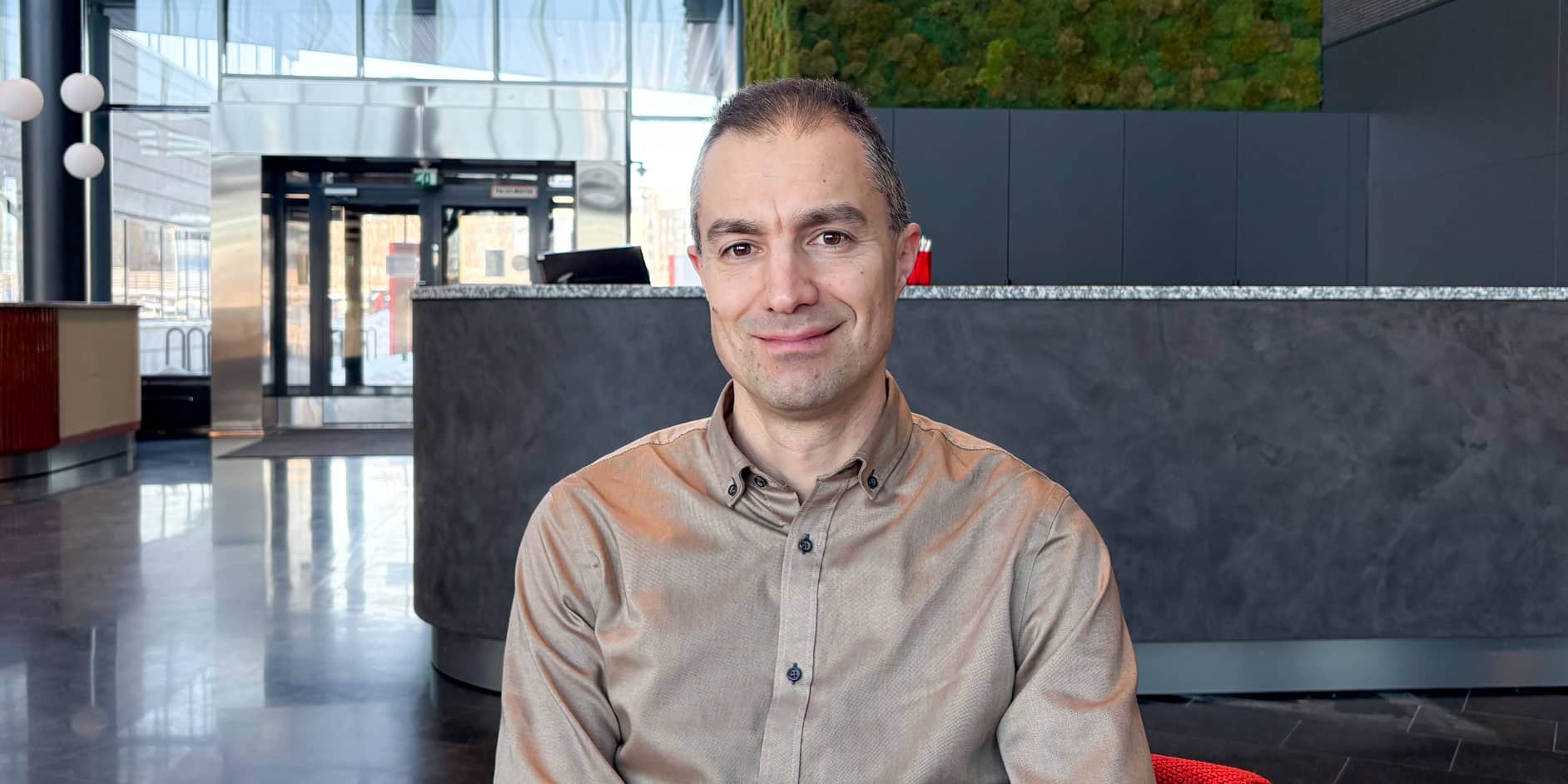
“We analyse all near-misses and accidents that have occurred in electrical installations and at worksites. While doing so, we try to think what we could learn from them for the future,” says Jani Pelvo, person in charge of operation of electrical installations at Fingrid.
Even good instructions alone do not guarantee safety – the instructions must also be internalised and followed. While organisations create the conditions for safe working, what matters most is how the work is carried out in practice at worksites.
Everyone’s healthy mindset and attitude towards their work contributes to safety and improves it.
“Ultimately, everyone’s healthy mindset and attitude towards their work contributes to safety and improves it. In this way, employees understand the impact of their actions and the risks involved. This encourages them to exercise care and work methodically.”
“So, it’s all about attitude,” Pelvo sums up.
There have been years when an inappropriate attitude was observed in several serious electrical safety incidents at Fingrid worksites.
The top of the organisation sets the tone for attitude
According to Pelvo, the right attitude always starts at the top of the organisation and extends to every worksite and employee.
“Everyone can affect the work community’s safety culture through their attitude.”
In incidents caused by an inappropriate attitude, the employee usually cuts corners on safety requirements, work instructions or procedures to save effort. As a consequence, they may cause an electrical accident or even put themselves or their colleagues at risk of death.
“In my opinion, good safety culture involves having the courage to intervene in dangerous situations and to give and receive feedback.”
Careful design – safe performance
Hitachi Energy invests in thorough pre-planning of site activities. The Safety by Design concept takes account of safety throughout the life-cycle – from installation to operation and maintenance – already in the design phase.
At worksites, emphasis is placed on reviewing the day’s tasks in the morning briefing. In addition, regular safety observations are highlighted to teach employees to identify and consider potential risks and the variables involved.
Lassi Karppinen, person in charge of electrical work at Hitachi Energy Finland’s project planning, reminds that a valid work permit is required for high-risk work.
“It is important to assess risks on the spot and interrupt the work if something changes or deviates from the plan during performance. Then we will prepare new plans, which will require a new work permit.”
Occupational safety is created by individuals and teams
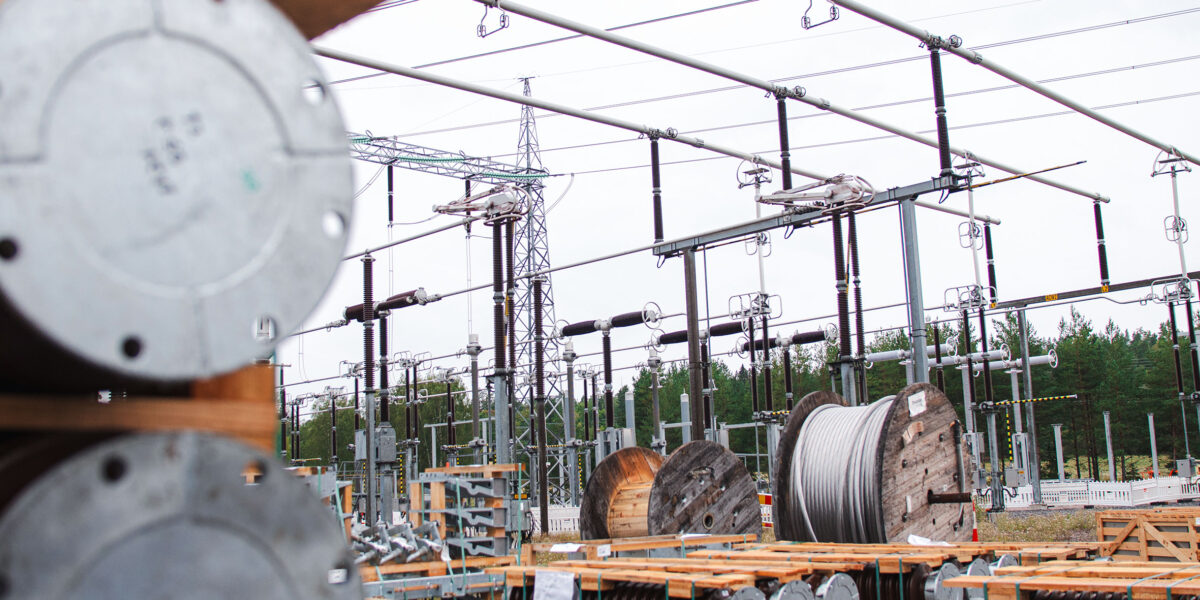
Fingrid worksites employ various operators whose tasks may overlap and coincide. This requires efficient organisation and coordination of the worksite as a whole.
At substations, special attention must be paid to earthing.
You cannot outsource your own safety.
“Fingrid implements the main earthing, whereas the supplier designs additional earthing connections and implements them after Fingrid’s approval of the plan,” Karppinen explains.
In addition to cooperation, Karppinen stresses that everyone must pay attention to their own safety at work.
“You cannot outsource your own safety.”