Partners
Energised encounters
This year, Fingrid will participate in several energy events and fairs, and hold customer
events almost weekly in the form of live events and webinars.

This year, Fingrid will participate in several energy events and fairs, and hold customer
events almost weekly in the form of live events and webinars.
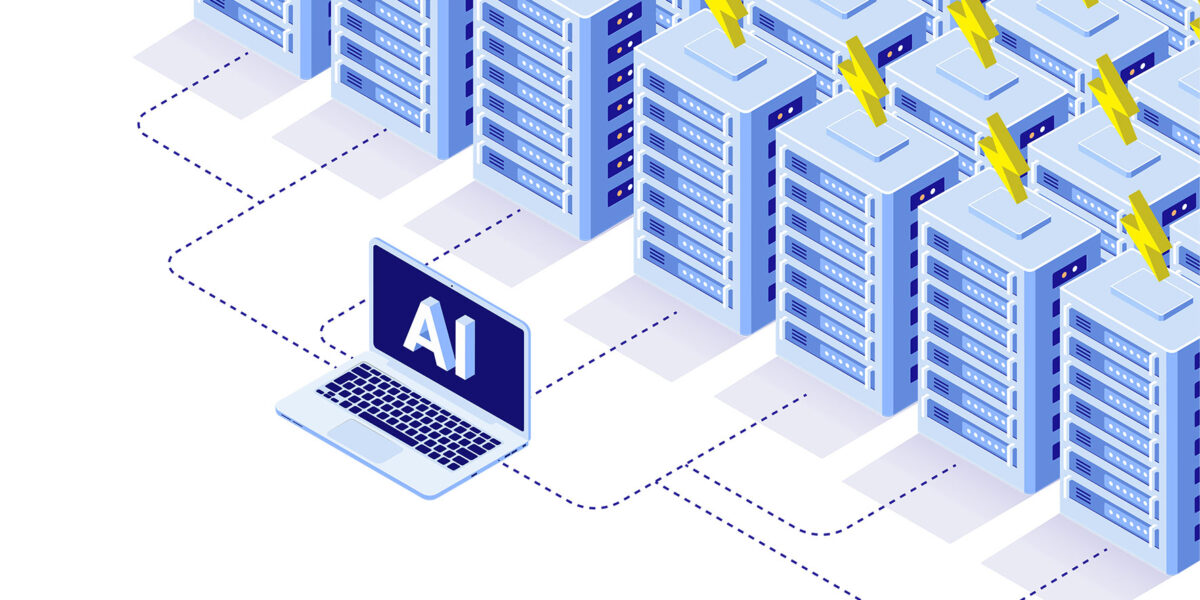
With artificial intelligence (AI) taking over routine tasks, people can focus on work that requires expertise. At Fingrid, AI makes work smoother and supports the operation of the power system. At Helen Group, an energy group, it is already an integral part of everyday business.
Fingrid likes to take a customer-oriented approach, but what does this really mean?
Together with other Baltic States, Lithuania joined the Continental-European synchronous area in February. This change is part of Lithuania’s energy independence strategy. However, grid connections with Poland, Latvia and Sweden will also remain important in the future.
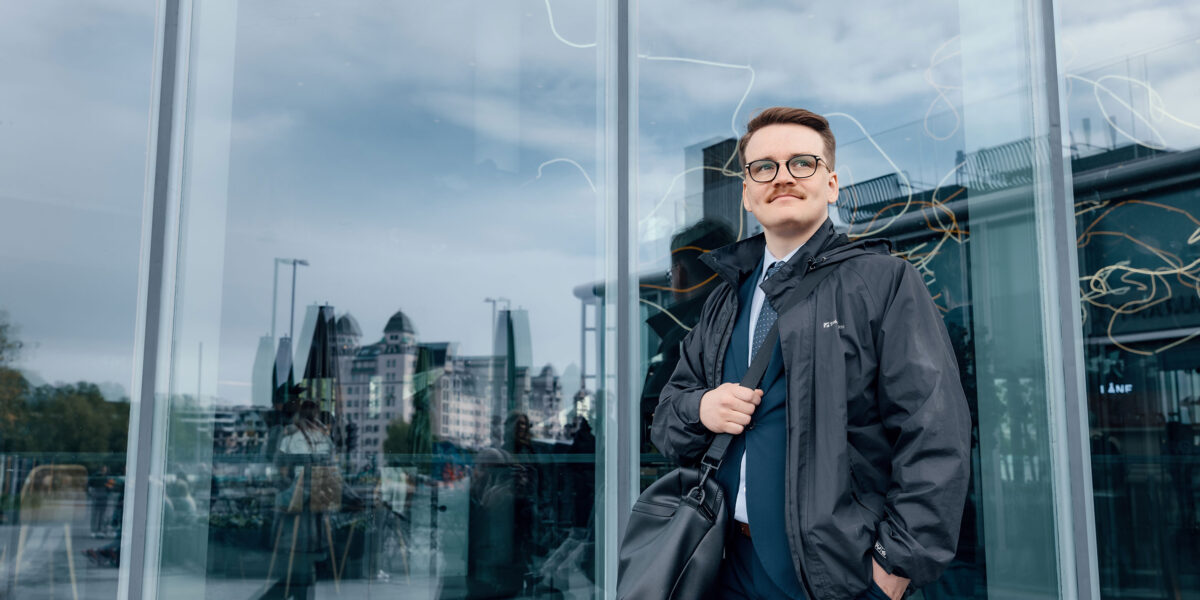
Fingrid works closely with other Nordic countries and at the EU level on electricity network issues. Viljami Yli-Hemminki, who is responsible for international affairs, took us on a trip to the Nordic Forum in Oslo to see what the work entails in practice.
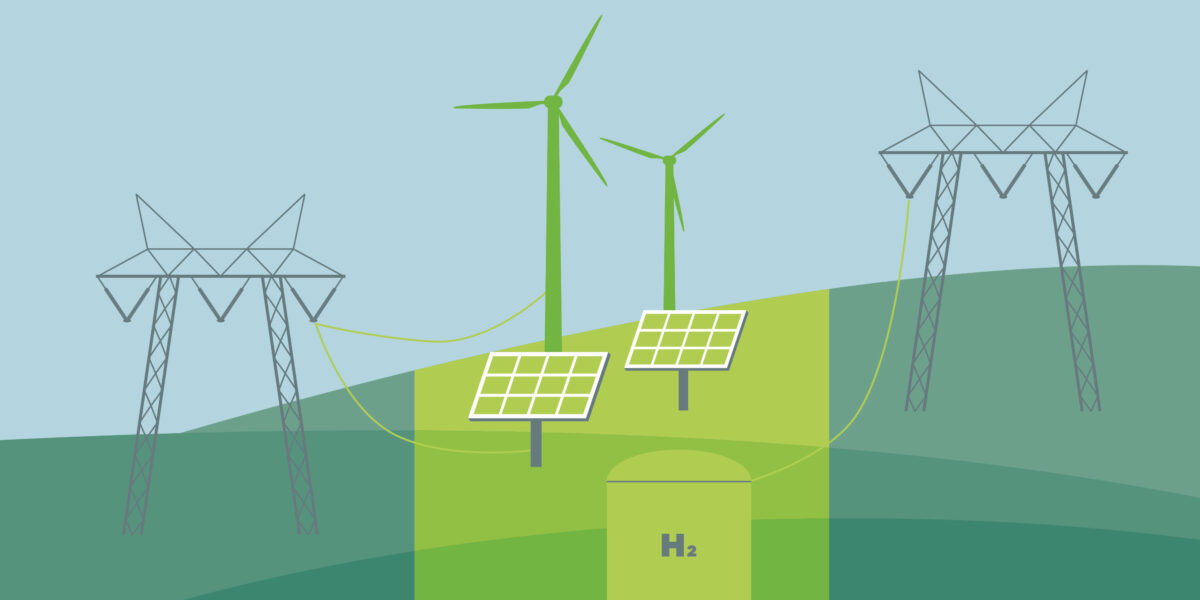
In Finland, a huge number of green transition projects have been announced,
which also require the development of the main grid. Six Fingrid customers talk about their latest projects in Finland.
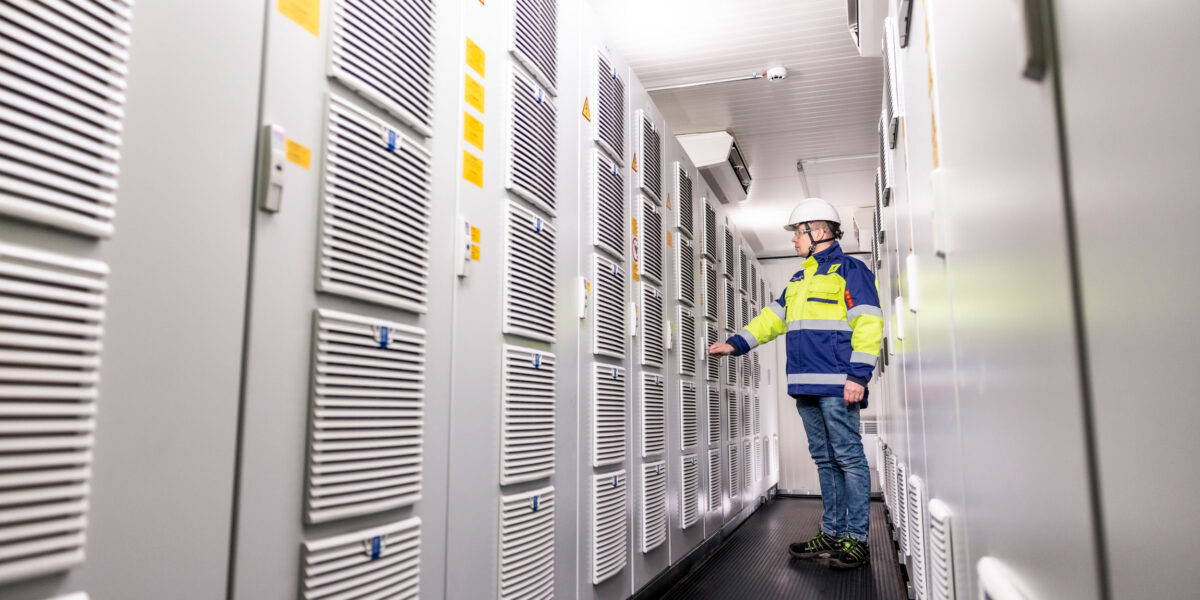
An ultracapacitor in a hydropower plant can store and discharge electricity very quickly. It is able to meet the new and increasingly stringent requirements of the frequency containment reserve for disturbances.
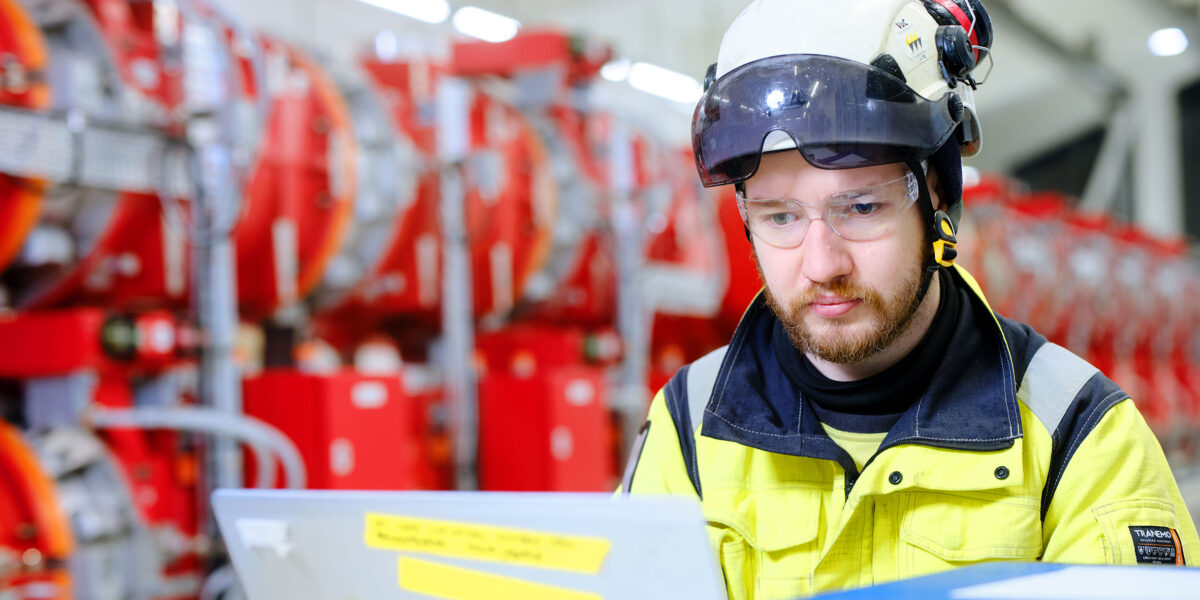
Maintenance of substations in the main grid requires various inspection, maintenance and preventive measures. Fingrid is supported by commissioning engineers, one of whom is Helsinki-based Valtteri Laine.
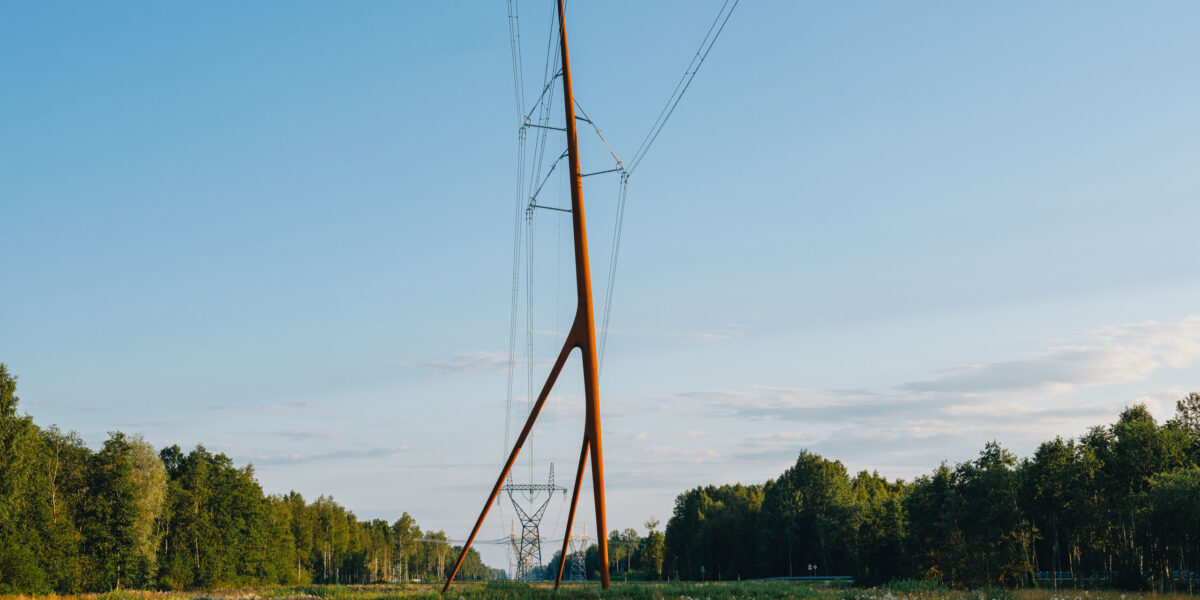
Changing from one synchronous area to another was the project of the century for Elering, Estonia’s TSO. The regional cooperation is seen as one of the most important aspects of power system operation.
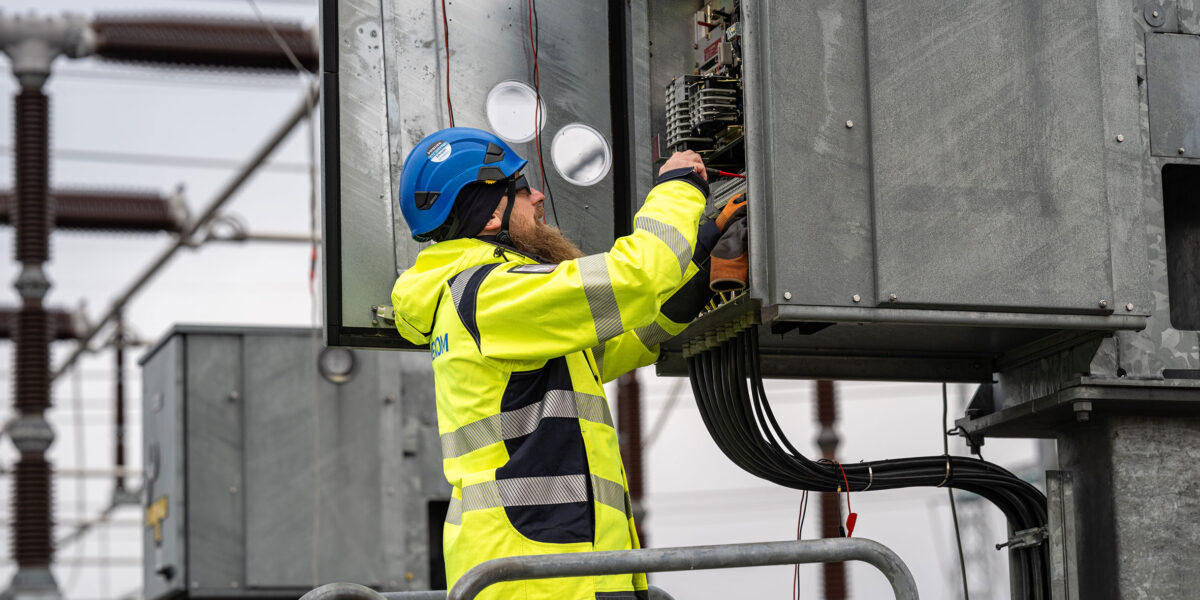
To keep the nation’s lights on, substations must operate resiliently. They are monitored remotely, but inspections and maintenance are performed on-site.